


Playa Blanca
Playa Blanca, Costa Rica

Guided by Indigenous Peruvian Shipibo healers
Medical screening before arrival, a clinic on the property, and support before, during, and after.
Since 201810,000+ guests from over 100 countries1,000+ five-star reviews





“Soltara is a place with integrity. A place that’s dedicated to service.”
“There’s no financial arrangement between myself and Soltara. I don’t make a penny by making this recommendation.”
Since opening our doors in 2018, we’ve worked closely with Shipibo Maestros from the Ucayali region of the Peruvian Amazon, who carry generations of knowledge and tradition within their lineage. The same two Maestros guide each evening session from beginning to end, allowing them to get to know you throughout the week. During the evening sessions, you will also receive two personal healing songs, sung directly to you.
The care surrounding the evening sessions is just as important to us. Before joining a retreat, every guest goes through our medical and psychological screening process. Throughout the week, our facilitators — all trained in trauma-informed care — are available at any hour for 1:1 support.
We keep our retreats small! With anywhere from 17-22 guests, the Maestros and facilitators can offer each person more individualized attention, and it helps us create the intimate, supportive environment that has always been at the heart of Soltara.
Evening sessions guided by the same two Maestros from the first night to the last, working inside their own lineage.
The same two Maestros guide a retreat from the first night to the last.


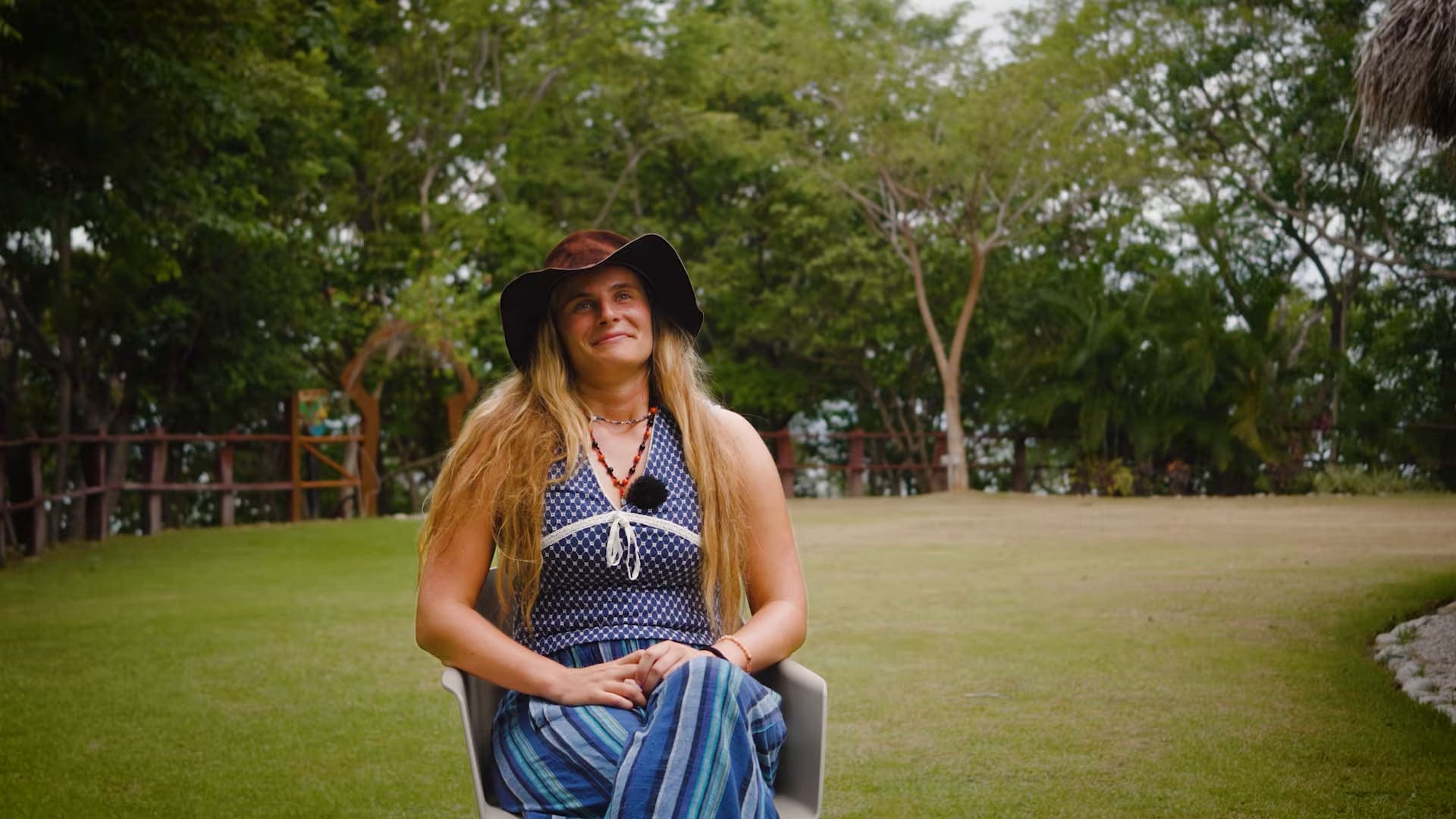
“I’ve had some major breakthroughs, and I’m not leaving the same person that I walked in here as.”Lexi — guest
Playa Blanca — Seaside cliffs above the Gulf of Nicoya, with tropical forest and beach access.
Scarlet Valley — In the mountains of Costa Rica’s Central Pacific, beside protected rainforest near Carara National Park. Valley views, gardens, a saltwater pool, gym, and spa.
Playa Blanca, Costa Rica
Central Pacific Valley, Costa Rica

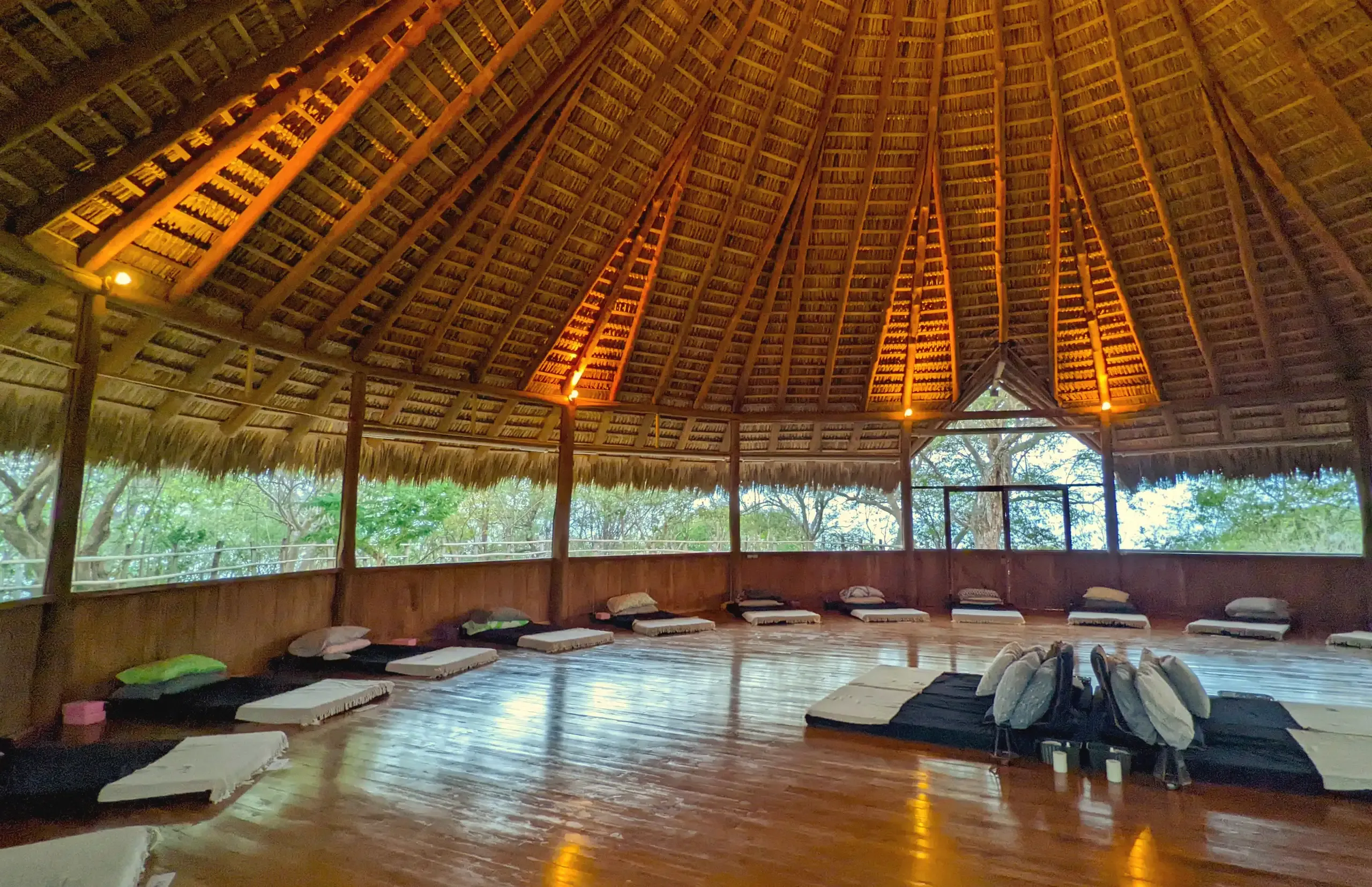
The maloca
A retreat is 5, 7, or 12 nights. The support around it runs for twelve months.


Dr. Gabor Maté is a retired physician and author whose work on trauma, addiction, and mental illness has shaped how facilitation is done at Soltara. Many of the facilitation team have trained in his Compassionate Inquiry method. The advisory board strengthens our trauma-informed care, programming, reciprocity initiatives, and facilitator training.


Preparation is the part people ask about most, and the part that shapes the week more than anything else. The guide covers the weeks beforehand: what to eat and what to leave out, medications to discuss with a doctor, and how to arrive ready. Send it to yourself and read it before you decide anything.
Instant download, plus occasional notes from Soltara. Unsubscribe whenever you like.
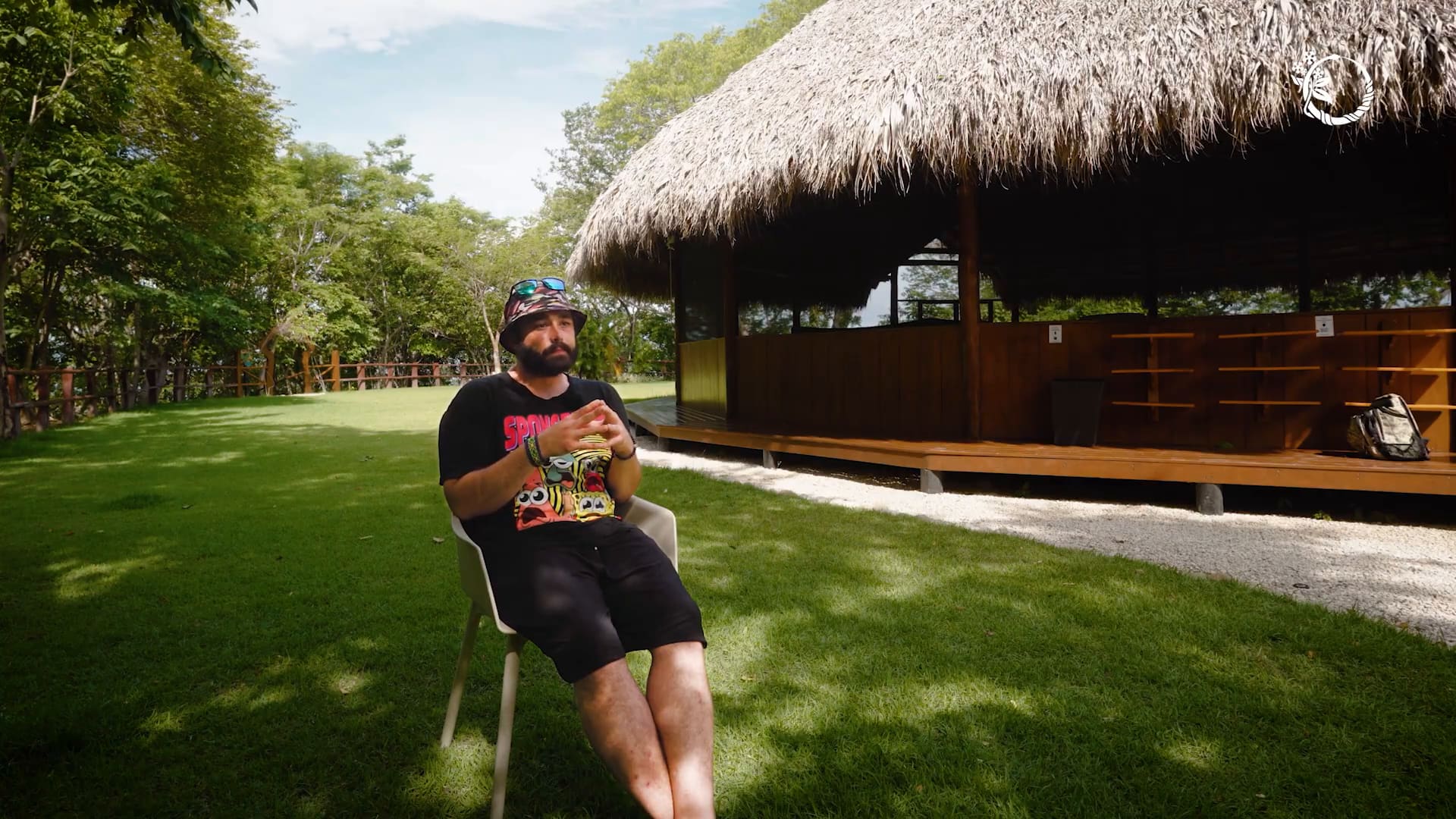
“I’m feeling like I’ve found purpose for my power, which is very opposite of how I felt when I arrived, which was depleted, broken, lost, adrift, and really searching for some healing.”Maika — guest
| Dates | Center | Length |
|---|---|---|
| December 5–10, 2026Reserve | Scarlet Valley | 5 nights |
| December 7–19, 2026Reserve | Playa Blanca | 12 nights |
| December 7–12, 2026Reserve | Playa Blanca | 5 nights |
Every retreat is capped at 22.
Preparation starts several weeks out and covers food, alcohol, medications, and the practical business of arriving rested. Guests get a preparation guidebook and a 50-minute 1:1 session before arrival. The short version is in the guide above; the full version comes with your intake.
Payment plans are available to reduce the upfront cost, and a Guest Experience Coordinator will walk you through the options on a call.
Some medications, particularly antidepressants, need to be discussed well ahead of time and sometimes need a supervised taper before a retreat is possible. That conversation happens during medical screening, with the doctor who prescribes them. Raise it early — it changes the timeline more than anything else on this list.
Every guest completes a medical and psychological intake before being accepted, reviewed in collaboration with therapists and medical advisors. Soltara holds a permit through the Costa Rican Ministry of Health, and there is a clinic and doctor’s office on the property.
Because the risks here are real, careful screening is crucial. It’s what protects people, and it’s why some are asked to wait or find a different kind of support first. There are medical and psychological conditions that mean an application is declined, and there are nights that are difficult. If you are unsure, reach out to us — our experienced team will help you determine if a retreat with us is a good fit.
No more than 22 guests, with two Maestros and facilitators available at any hour.
Retreats run 5, 7, or 12 nights. All retreats incorporate holistic programming, consultations with Maestros, flower baths, sharing circles, 1:1 support, movement practices, nourishing meals, and space to rest and immerse yourself in the breathtaking biodiversity of Costa Rica.
You’ll fly into San José, Costa Rica (SJO) if you’d like to join our free group shuttle. Ground transportation to and from the airport pickup hotel is included. We also offer options for independent arrival — you’ll receive complete travel logistics and preparation resources upon retreat confirmation.
Since 2018, profit at Soltara has gone back into the quality of care, the team, the centers, and the communities and land this work depends on. A portion of revenue goes out every month through the Right Relation Fund. Some of what that has paid for:
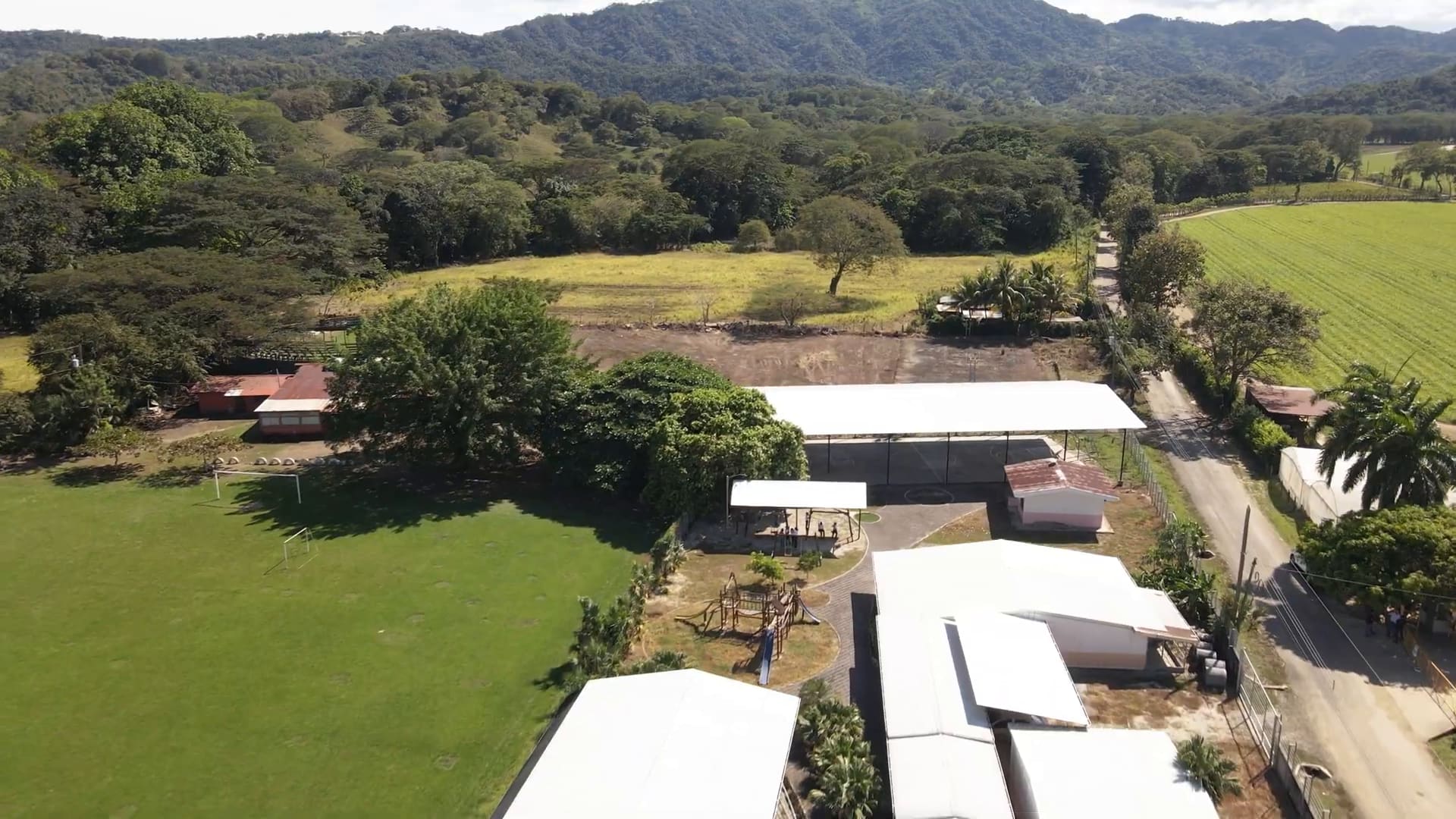
Isa Weni Amazonian School. Support for a teaching center near Pucallpa, Peru, where Shipibo children learn their own language, art, ecology, and healing traditions.
Direct family support. Medical costs, travel, and unforeseen expenses for the families of the Maestros, plus the publication of a Shipibo book on culture, cosmology, and personal history.
Flood relief, 2025. After the Ucayali River floods displaced many families, a $10,000 matching campaign raised over $30,000. All of it went directly to Shipibo families.
Amazon Rainforest Conservancy. A $10,000 matching campaign funded the protection of a wildlife and jaguar corridor in the Peruvian Amazon.
One Million Acres. Over 1,000 acres of rainforest protected and over 1,000 Palo Santo trees planted, funded by bracelets made by Indigenous artisans.
Amazon Watch. Ongoing support for their work on Indigenous land rights and rainforest protection.
The team. About half of the people at Soltara, including management and facilitation, are Costa Rican.
The town. Monthly donations to local schools and the municipality, beach cleanups, infrastructure repairs, and sponsorship of the local children’s soccer team.
The food. Produce from a family-run organic farm collective that employs local women and shares profits evenly, and fish from neighbouring small-scale fishermen.
The staff. English classes, professional development, and retreat scholarships for Costa Ricans.
Scholarships. General and BIPOC scholarship programs, plus the Soltara Scholarship Fund with Thank You Life, a 501(c)(3), so tax-deductible donations can cover seats for people who could not otherwise attend.
Veterans. Discounts across every program and dedicated retreats built with Heroic Hearts Project, VETS Inc, and Veterans of War.
Standards. Soltara helped found a national alliance of centers in Costa Rica working on safety standards, harm reduction, education, and research.
A retreat at Soltara funds every item on this page. It has worked that way since 2018.


